
Earthen Strings — three ceramic string instruments by Amit Naor
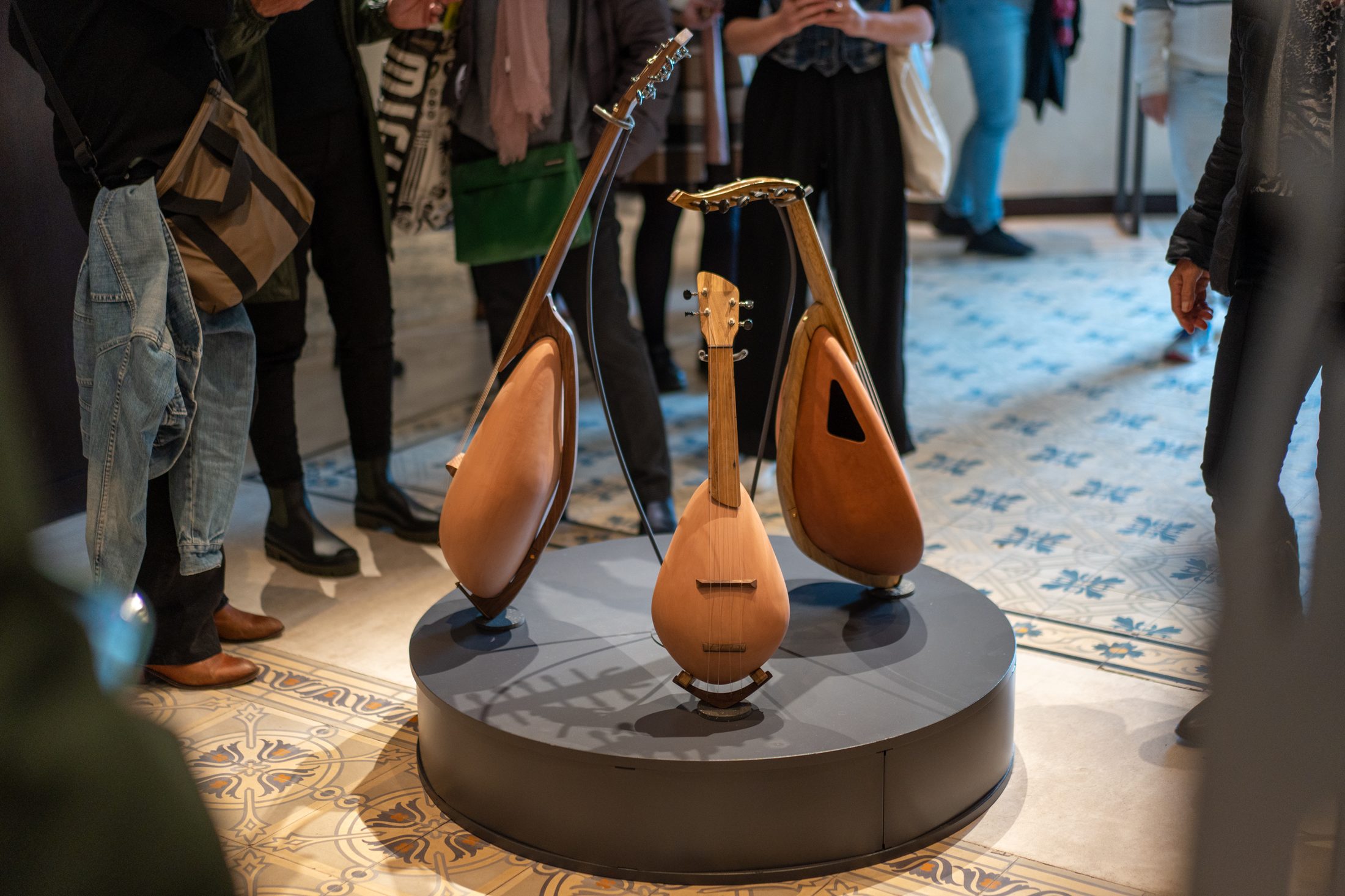
The Collection · Three Objects

Earthen Strings.
A material experiment.

Edition
Studio collection
Objects
Ukulele · Guitar · Oud
Materials
Ceramic · Wood · Strings
Year
2024 [TBD]
— The question
Throughout history, clay has been used to fashion the resonance chambers of musical instruments. I placed ceramic in the foreground as the membrane, the part responsible for producing sound. The central question of this project: can ceramic act as a membrane?
— Earthen Strings · Studio film
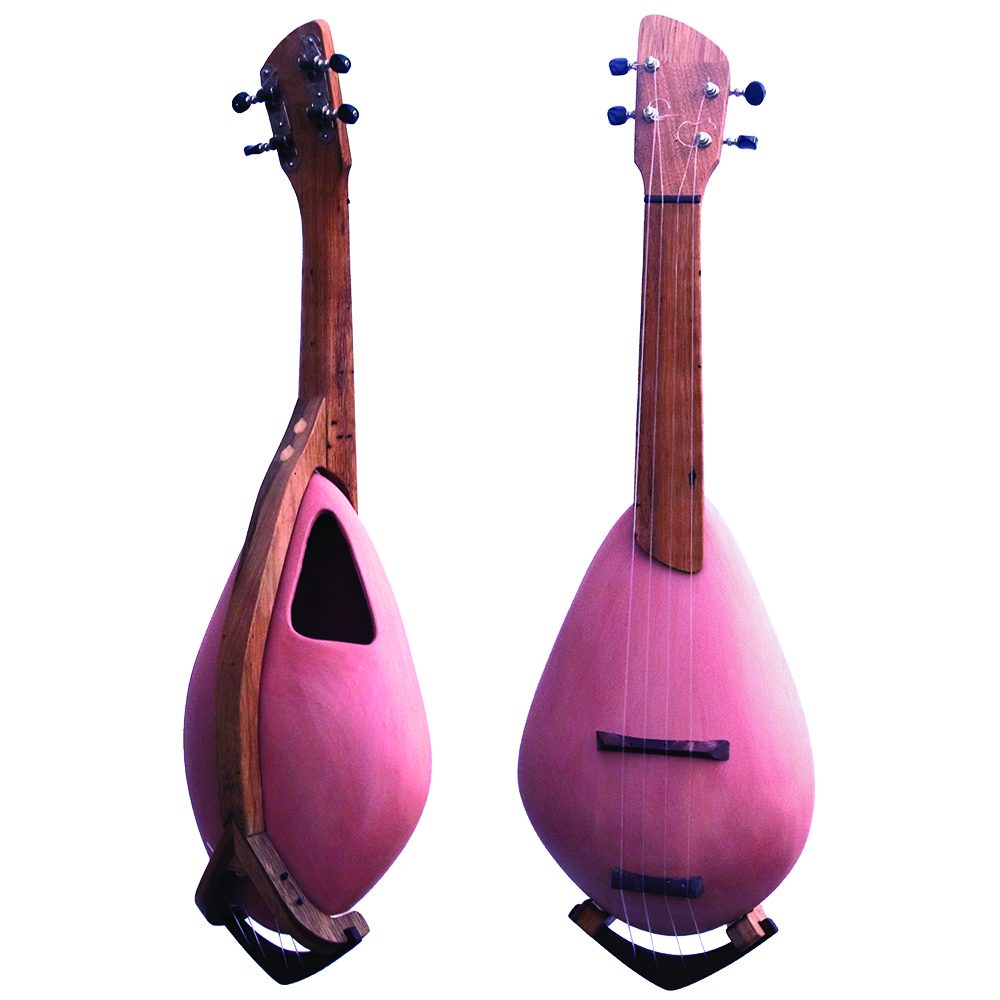
Ceramic ukulele by Amit Naor
— Object 01

Ceramic Ukulele.

Smallest voice.
Four strings on fired clay.
Held in one hand.

[TBD: Amit to add — the cultural reference, the specific clay process, the way it sits against the chest.]

Strings
Four
Materials
Ceramic body · Wood neck
Edition
1 of 3 [TBD]
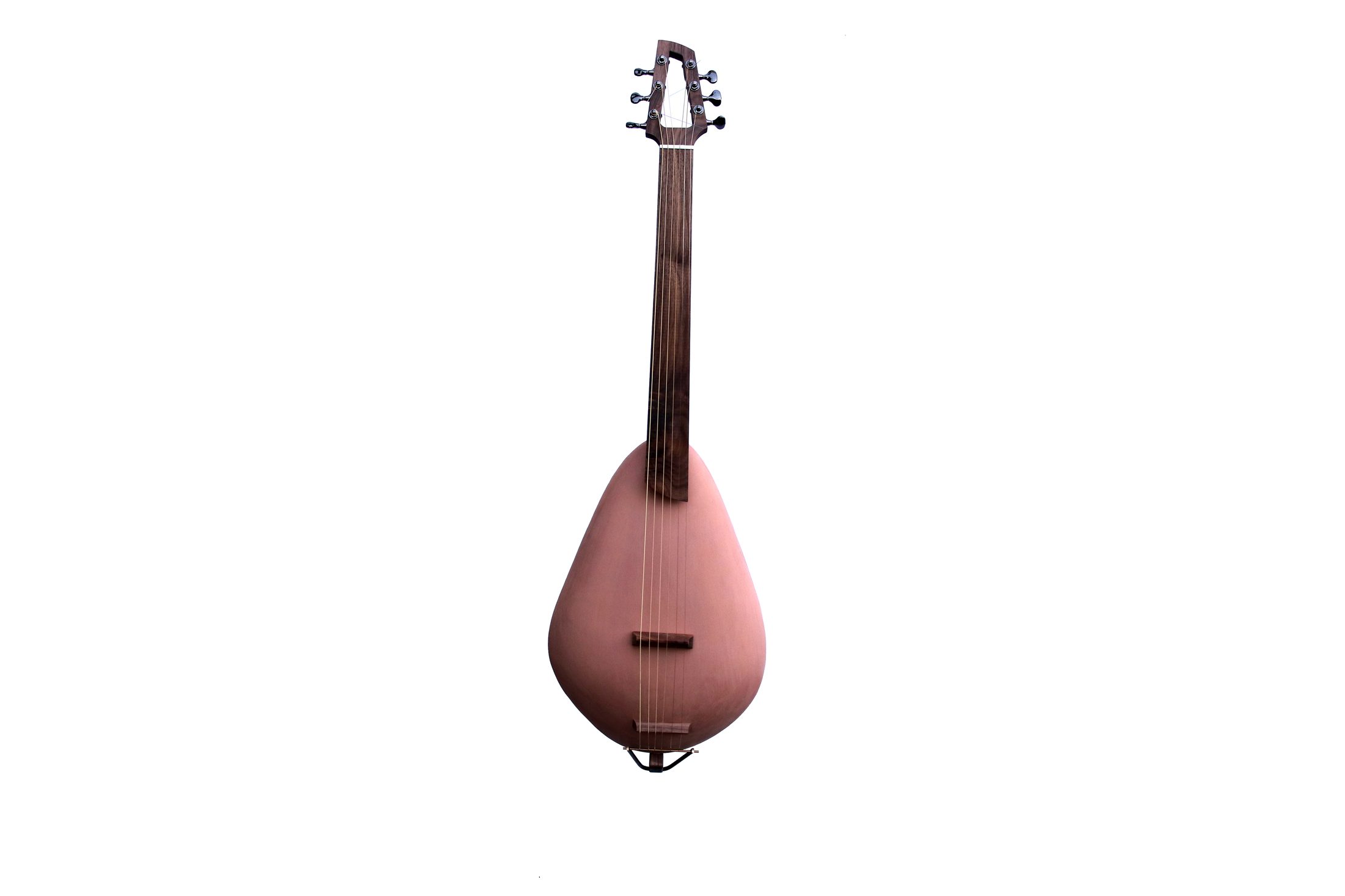
Ceramic acoustic guitar by Amit Naor
— Object 02

Acoustic Guitar.

A clay body.
Six strings, tensioned tight.
Sound that runs darker.

[TBD: Amit to add — the form decisions, the firing process, what changed against the wooden original.]

Strings
Six
Materials
Ceramic body · Wood neck
Edition
1 of 3 [TBD]
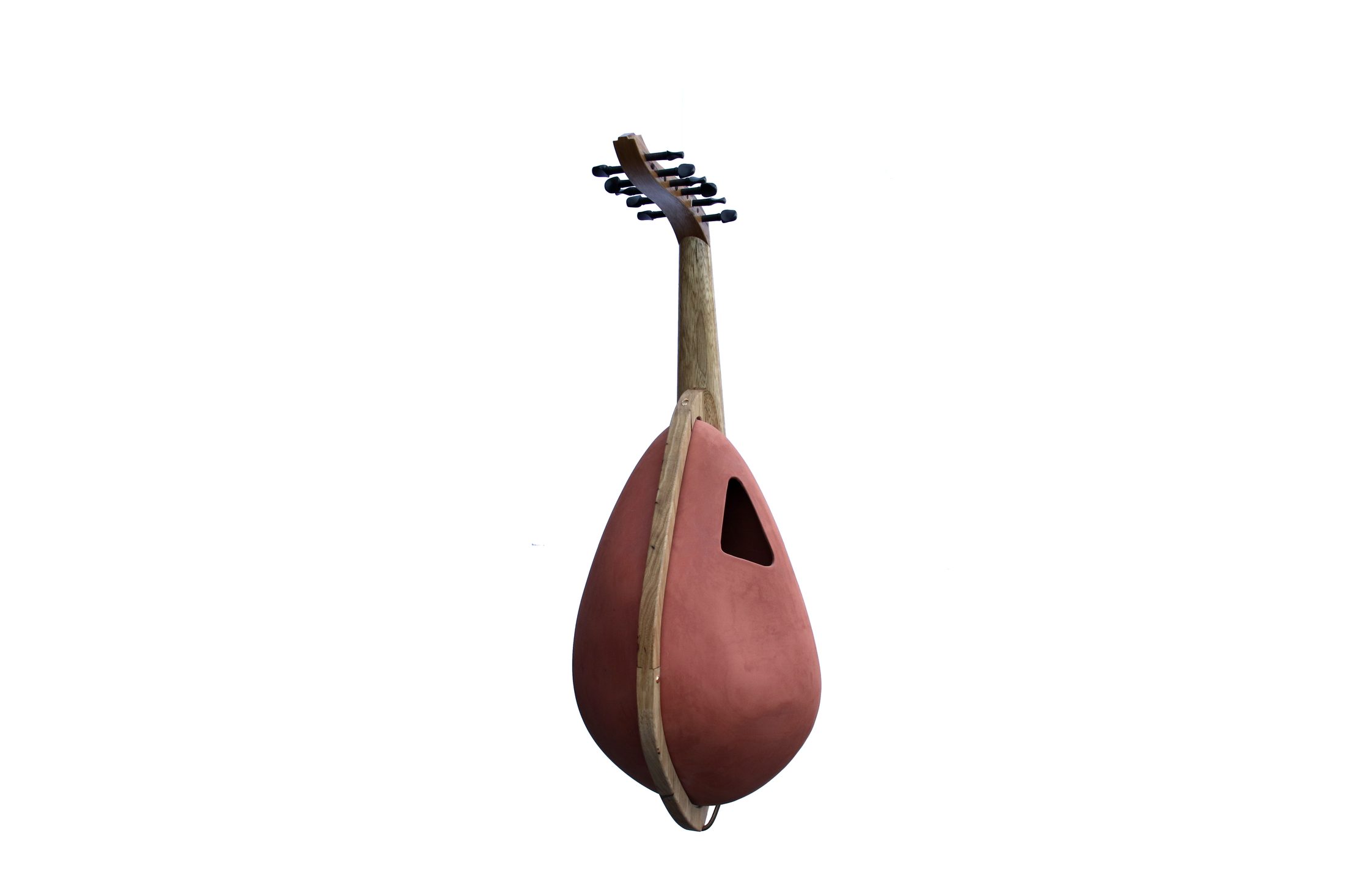
Ceramic oud by Amit Naor
— Object 03

Ceramic Oud.

Older than the lute.
Earth shaped to a known form.
A regional voice.

[TBD: Amit to add — the cultural context, the sound character, who has played it.]

Strings
[TBD: 11 / 12 courses]
Materials
Ceramic body · Wood neck
Edition
1 of 3 [TBD]
— On the process

I combine practices from the world of industrial design, including computerised 3D planning and sculpting, with traditional techniques of ceramics and woodworking.

Ceramic is one of human history's most simple and basic raw materials. I use it to ask whether the part of an instrument that has always been wood, or animal skin, can also be earth.

— The collection

Three voices.
One material.